Do I really need to remove that old tree stump? Can't I just leave it?
Look, you can leave it if you want. It's your yard, after all. But here's what I've seen over the years: stumps are way more than just an eyesore. They're tripping hazards, especially if you've got kids or grandkids tearing around. They also gobble up valuable space you could use for a garden bed, a new patio, or even just more lawn. Plus, they can attract pests like termites, ants, and beetles. These critters don't just hang out in the stump, oh no; they can find their way right into your house. So, while it's not always an emergency, getting rid of a stump usually makes your property safer and more usable in the long run. Good to know, right?
What's the difference between stump grinding and stump removal?
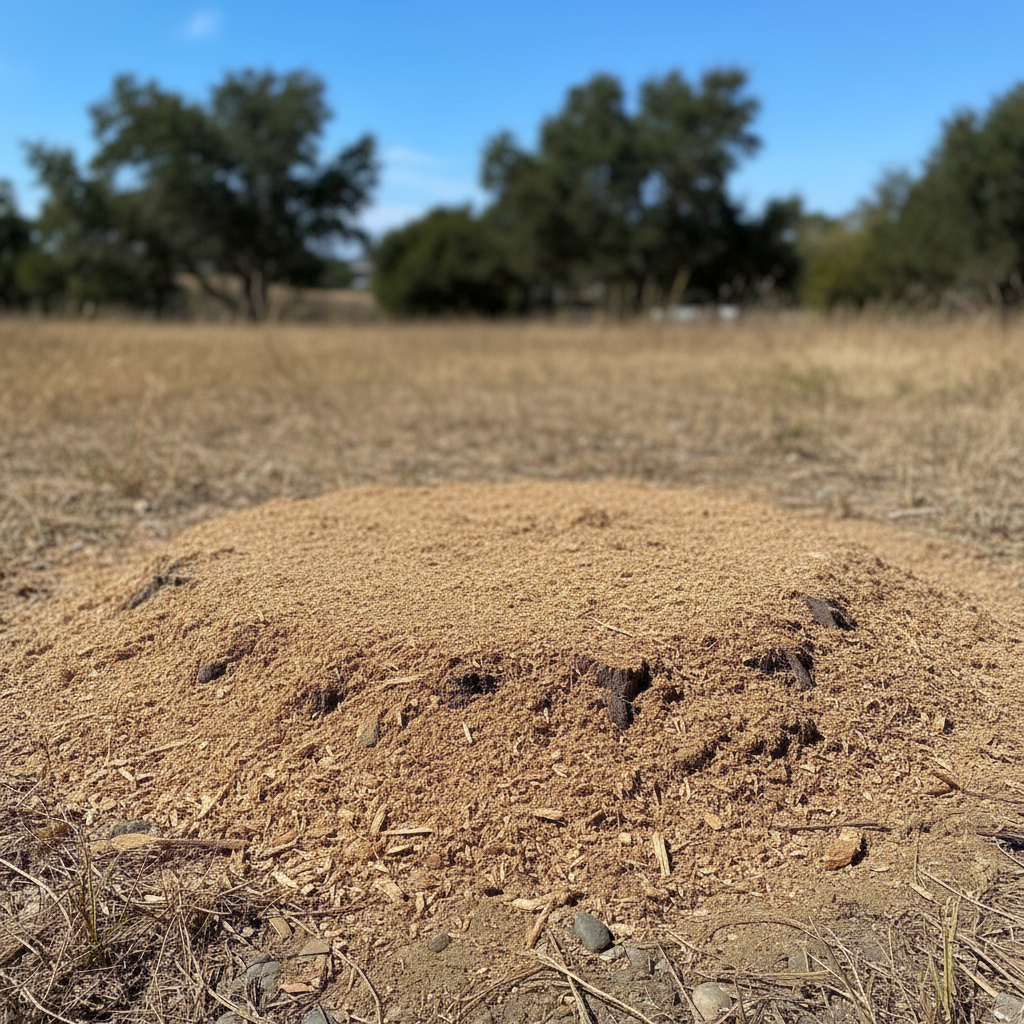
This is a common question we get. When we talk about stump grinding, we're using a specialized machine with a rotating cutting head to chip away at the stump. We grind it down several inches below ground level, usually somewhere between 6 to 12 inches, sometimes even more depending on what you're planning for that spot. This leaves you with a pile of wood chips and a hole you can fill with soil. The main roots are still in the ground, but they'll eventually just decay naturally.
Stump removal, on the other hand, means we're getting rid of the entire stump and as much of the root system as we possibly can. This usually involves digging it out, sometimes with heavy equipment, or even using chemicals to speed up the decay process. It's a much more invasive and labor-intensive job. You'd typically go for full removal if you're planning to build something right on that spot, like a new foundation or a driveway, where even decaying roots could cause issues down the road. For most homeowners, grinding is usually enough and a lot less disruptive.
How much does stump grinding cost in Grover Beach?
Alright, let's talk money. The cost isn't a one-size-fits-all thing, unfortunately. It depends on a few factors:
- Stump Size: The bigger the diameter, the more time and effort it takes. We measure across the widest part of the stump, not just the top.
- Wood Type: Some trees, like oak or eucalyptus, have really dense wood that's tougher to grind than, say, a pine.
- Location: Is it easy to get our grinder to the stump? If it's in a tight spot, up a hill, or behind a fence, that'll take more maneuvering and might cost a bit more.
- Root System: If there are a lot of surface roots that need grinding too, that adds to the job.
- Cleanup: Do you want us to haul away all the wood chips, or are you happy to keep them for mulch? Hauling costs extra, obviously.
Without actually seeing it, I can't give you an exact number, but it's usually a few hundred dollars for an average stump. We always give a clear quote upfront at Classic Tree after we've had a look, so there are no surprises.
What about those chemical stump removers I see at the hardware store? Do they work?
You know, I get asked this a lot. Those chemical removers *can* work, sure, but they are incredibly slow. We're talking months, sometimes even a year or more, for a stump to soften enough to break apart. And even then, it's still a lot of manual labor to chip it away. They usually involve drilling holes, pouring in the chemicals, and then just waiting. For a quick, clean solution, especially for larger stumps, chemical removal just doesn't compare to professional grinding. If you're really patient and have a small, soft stump, maybe. But for most folks, it's just not the practical answer.
Can I plant a new tree or build something where the stump used to be?
Absolutely, that's one of the main reasons people get rid of stumps! If you've had the stump ground down, you'll have a hole filled with wood chips. We recommend removing as many of those chips as possible and then filling the hole with good quality topsoil before planting a new tree or shrub. Why? Well, decaying wood chips can actually deplete nitrogen from the soil, which isn't great for new plant growth. If you're building something like a shed or a patio, and you only had the stump ground, you'll want to make sure the remaining roots aren't going to interfere with your foundation or pavers. That's where full stump removal might be a better call, as I mentioned earlier, to ensure you have solid, undisturbed soil.
What happens to the wood chips after grinding?
When we grind a stump, you're left with a pile of wood chips mixed with some soil. You've got a few options here. Many people like to keep them! They make excellent mulch for garden beds, helping to retain moisture and suppress weeds. They'll break down over time and add organic matter to your soil, which is a bonus. Just don't put them right up against the base of a new tree or plant, as they can sometimes draw nitrogen from the soil as they decompose. If you don't want them, no problem. We can haul them away for an additional fee. Just let us know what you prefer when we give you the quote.
We deal with all kinds of stumps here in Grover Beach, from those old eucalyptus stumps that are hard as rock to the softer pines. If you've got one that needs to go, just give us a call at Classic Tree. We'll come out, take a look, and tell you straight what it'll take to get it out of your way.