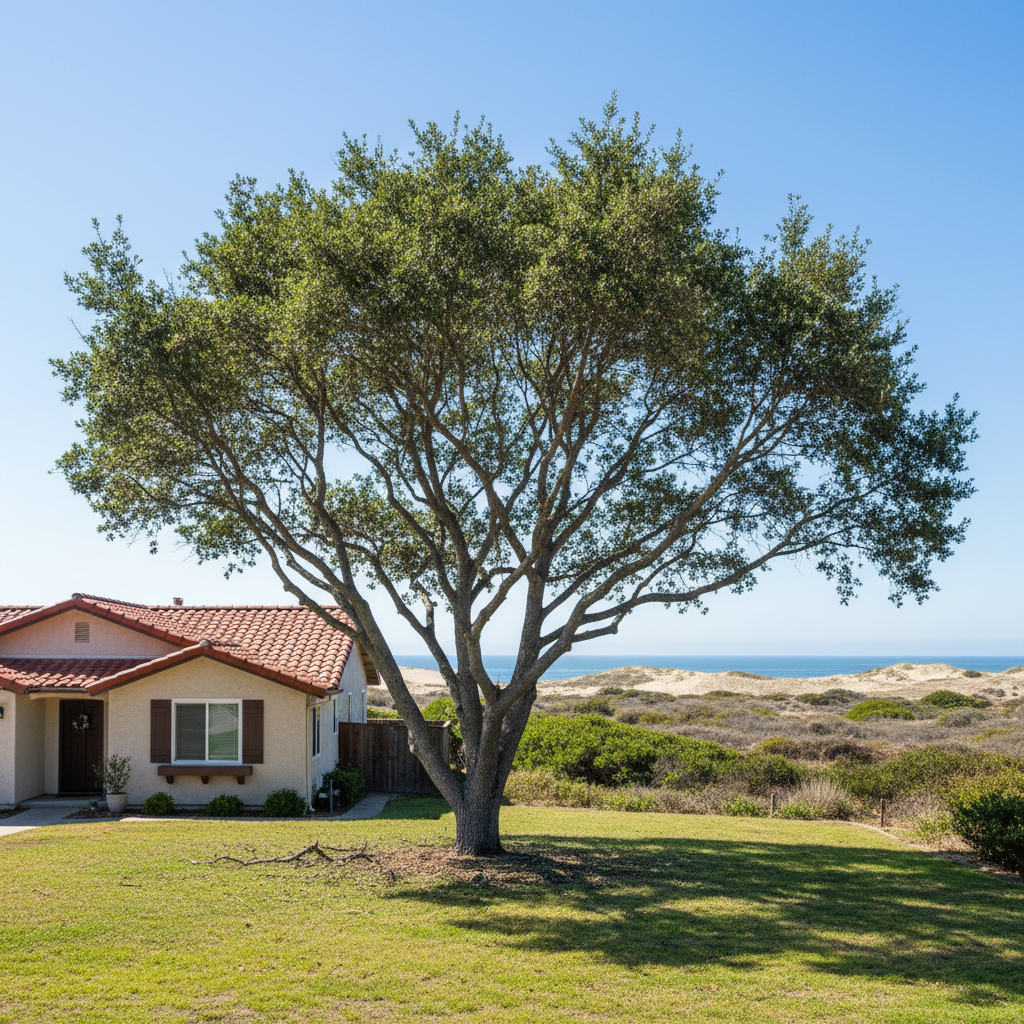
When should you actually trim your trees around here? It’s a question I get a lot, and honestly, there’s no single “best” day on the calendar. But there are definitely better seasons and worse seasons, especially with our unique coastal weather here in Grover Beach.
Think of it like this: you wouldn’t get a haircut right before a big storm, right? Same goes for your trees. Timing matters for their health, your safety, and getting the most bang for your buck.
Understanding Our Local Climate
Our weather on the Central Coast is pretty mild compared to other places. We don't get super harsh winters with deep freezes, and our summers aren't usually scorching hot for weeks on end. But we do get those strong, salty winds whipping in off the Pacific, especially in spring and fall, and our sandy soil can sometimes mean trees struggle a bit more for nutrients if they're not cared for properly. These factors all play a role in when and how we should approach tree work.
The Best Times to Trim Your Trees
For most deciduous trees (the ones that lose their leaves), the dormant season is ideal. That means late fall after the leaves have dropped, through winter, and into early spring before new buds really start swelling. Why then?
- It’s less stressful for the tree: When a tree is dormant, it’s not actively growing, so trimming causes less shock. It’s like having surgery when you’re asleep.
- Better visibility: Without leaves, we can clearly see the tree’s structure, identify weak branches, and make precise cuts. This leads to better long-term health and a stronger tree.
- Pest and disease prevention: Many pests and diseases are less active in colder months, reducing the risk of infection through fresh cuts.
For evergreen trees, it’s a bit different. They don’t go dormant in the same way. Generally, late winter to early spring, just before their growth spurt, is a good time. This allows them to recover quickly and put energy into new growth.
When to Avoid Trimming (If You Can)
Try to steer clear of trimming during these times:
- Late spring and summer: This is when most trees are actively growing and putting out new leaves and flowers. Trimming then can stress them out, reduce their energy reserves, and make them more susceptible to pests. Plus, for some species, it can lead to excessive sap bleeding, which isn't good for the tree.
- Right before or during a storm: This one seems obvious, but you’d be surprised. If a big storm is rolling in, and you’re thinking about getting some branches off, it’s usually too late for preventative work. And trying to trim during high winds or rain is just plain dangerous, for us and for your property. We won’t do it, and you shouldn’t either.
- During nesting season: From roughly March to August, many birds are nesting in trees. We always check for active nests before we start work. If we find one, we’ll advise you to wait until the chicks have fledged. It’s the right thing to do.
Emergency Trimming: When Rules Don't Apply
Of course, sometimes you don’t have a choice. If a branch is broken, diseased, or posing an immediate hazard – like hanging over your roof or a power line – then it needs to come down now, regardless of the season. Safety always comes first. That’s when you call us at Classic Tree, and we’ll get out there to assess the situation and handle it safely.
Protecting Your Investment Year-Round
Trimming isn’t a one-and-done deal. It’s part of a bigger picture of tree care. Beyond just the timing of the cut, here’s what else you should be thinking about:
- Regular inspections: Walk around your property once a month. Look for dead branches, cracks, strange growths, or anything that looks off. Catching problems early can save you a lot of headache and money.
- Proper watering: Even established trees need water, especially during our dry summers. Deep, infrequent watering is better than shallow, frequent sprinkles.
- Mulch: A layer of mulch around the base of your trees (but not touching the trunk!) helps retain moisture, regulate soil temperature, and provides nutrients as it breaks down.
- Professional advice: If you’re ever unsure about a tree’s health or what it needs, just give us a call. We’re happy to come take a look and give you an honest opinion. We’ve seen a lot of trees in Grover Beach, and we know what thrives here and what struggles.
Taking care of your trees is an investment in your property and the beauty of our community. Do it right, and they’ll be a source of enjoyment for years to come.