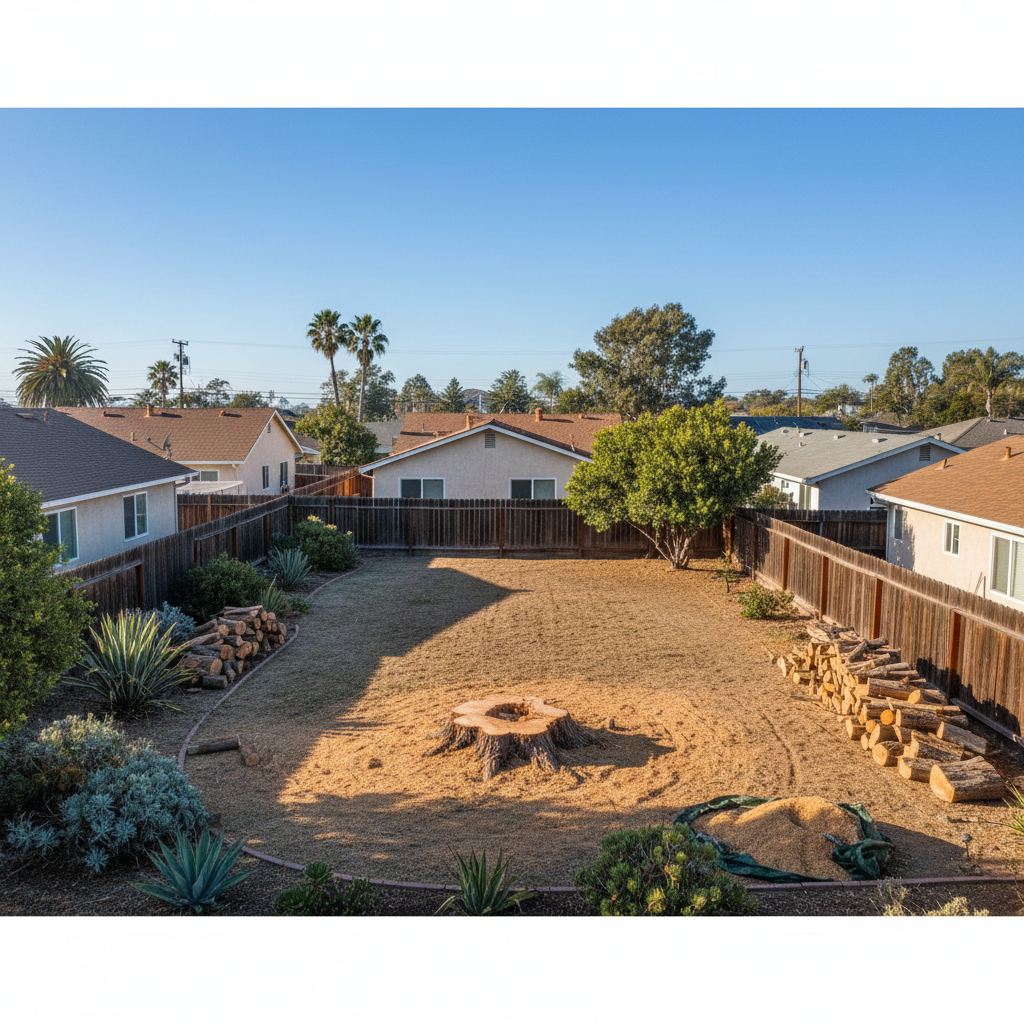
So, you've got a tree that needs to go. Maybe it's dead, diseased, or just too close to the house. Whatever the reason, tree removal isn't something you want to rush into. It's a big job, and getting it right means a smooth process and no headaches later. I've seen a lot of these projects over the years here in Grover Beach, and I've put together a checklist to help you plan yours.
Setting Your Tree Removal Timeline
How long does this whole thing take? It's not usually an overnight deal, especially if you want it done right and safely. Here's a realistic breakdown:
- Initial Assessment & Quotes (1-2 weeks): First, you need to figure out what you're dealing with. Get a few reputable companies out to look at the tree. They'll assess its size, location, health, and any potential hazards. This is when you'll get your estimates. Don't just go with the cheapest bid; make sure you're comparing apples to apples on what's included.
- Permits (2-6 weeks, if needed): This is a big one. Not every tree removal needs a permit in Grover Beach, but many do, especially if it's a large tree, a protected species, or in a specific zone. Your tree service should be able to tell you if a permit is required and often help you with the application. Don't skip this step – fines for unpermitted removal can be hefty.
- Scheduling (1-4 weeks): Once you've picked your company and permits are in hand, you'll need to schedule the work. Good companies are often booked out a bit, especially during busy seasons. Be prepared for a wait, but a little patience is worth it for quality work.
- The Work Itself (1 day to 1 week): Most residential tree removals are done in a day or two, but a really large or complex tree, or multiple trees, could take longer. This is the actual cutting, lowering, chipping, and cleanup.
So, from start to finish, you're usually looking at anywhere from a month to three months. Plan ahead, especially if you have a deadline or a specific season in mind.
What to Expect During the Process
When the crew shows up, what's going to happen? It's a pretty orchestrated process, and a good crew will keep you informed. Here’s the general flow:
- Arrival & Setup: The crew will arrive with their equipment – trucks, chippers, ropes, chainsaws, safety gear. They'll assess the site one last time and set up safety zones, often with cones or tape, to keep people clear.
- Safety First: This is paramount. They'll be wearing helmets, eye protection, ear protection, and often specialized climbing gear. They'll also be looking out for power lines, structures, and anything else that could be damaged.
- The Removal: Depending on the tree, they might climb it, use a lift, or even a crane for really big ones. They'll cut it down in sections, carefully lowering branches and trunk pieces to the ground. This minimizes damage to your property. It's noisy, and there will be a lot of activity.
- Cleanup: Once the tree is down, the crew will chip the branches and haul away the larger wood. They should rake the area, clear debris, and leave your yard as tidy as possible. If you opted for stump grinding, that usually happens after the main removal.
- Final Walk-Through: Before they pack up, a good crew leader will walk the property with you to make sure you're satisfied with the work and cleanup.
How to Prepare Your Property
You can help make the job go smoothly and prevent damage. Here's what you should do:
- Clear the Area: Move anything valuable or fragile away from the tree's fall zone. Think patio furniture, grills, planters, garden ornaments, kids' toys.
- Secure Pets & Kids: Keep them indoors or well away from the work area. This is for their safety, and it helps the crew focus.
- Inform Neighbors: If the tree is close to a property line or if the work might impact their yard (noise, temporary access), give your neighbors a heads-up. It's just good etiquette.
- Mark Sprinklers/Utilities: If you have underground sprinkler heads, shallow utility lines, or anything else that could be damaged by heavy equipment or falling wood, mark them clearly.
- Access: Ensure the crew has clear access to the tree. If they need to bring in a large chipper or truck, make sure gates are unlocked and paths are clear.
- Parking: Discuss parking needs with your contractor. They might need space for large vehicles on the street or in your driveway.
Key Questions to Ask Before Signing a Contract
Don't just sign on the dotted line without asking these critical questions. This is where you protect yourself and ensure you're getting a professional job from a company like Classic Tree:
- Are you licensed and insured? This is non-negotiable. Ask for proof of both. Specifically, look for liability insurance and workers' compensation. If they don't have it, you could be liable if someone gets hurt or something gets damaged.
- Do you provide a written estimate? It should detail exactly what work will be done (e.g., tree removal, stump grinding, wood hauling, cleanup), the cost, and payment terms.
- Is a permit required for this tree? If so, who obtains it? Clarify this upfront. Most reputable companies will handle the permit application for you, but you should know the process.
- What's included in the cleanup? Will they remove all wood and debris? Will they rake the area? Will they chip the branches on-site or haul them away? Be specific.
- How will you protect my property? Ask about their methods for protecting your lawn, landscaping, and structures during the removal.
- What's your timeline for completing the work? Get a clear understanding of when they can start and how long they expect the job to take.
- What are your payment terms? Do they require a deposit? When is the final payment due?
- Can you provide references? A good company will have no problem giving you contact information for past clients.
- What happens to the wood? Do you want to keep any of it for firewood? Make sure this is discussed and noted in the contract.
Asking these questions upfront prevents misunderstandings and ensures you're hiring a professional. Tree removal, especially in a coastal town like Grover Beach where we deal with sandy soils and sometimes tricky access, requires expertise. Do your homework, ask the right questions, and you'll have that tree gone without a hitch.