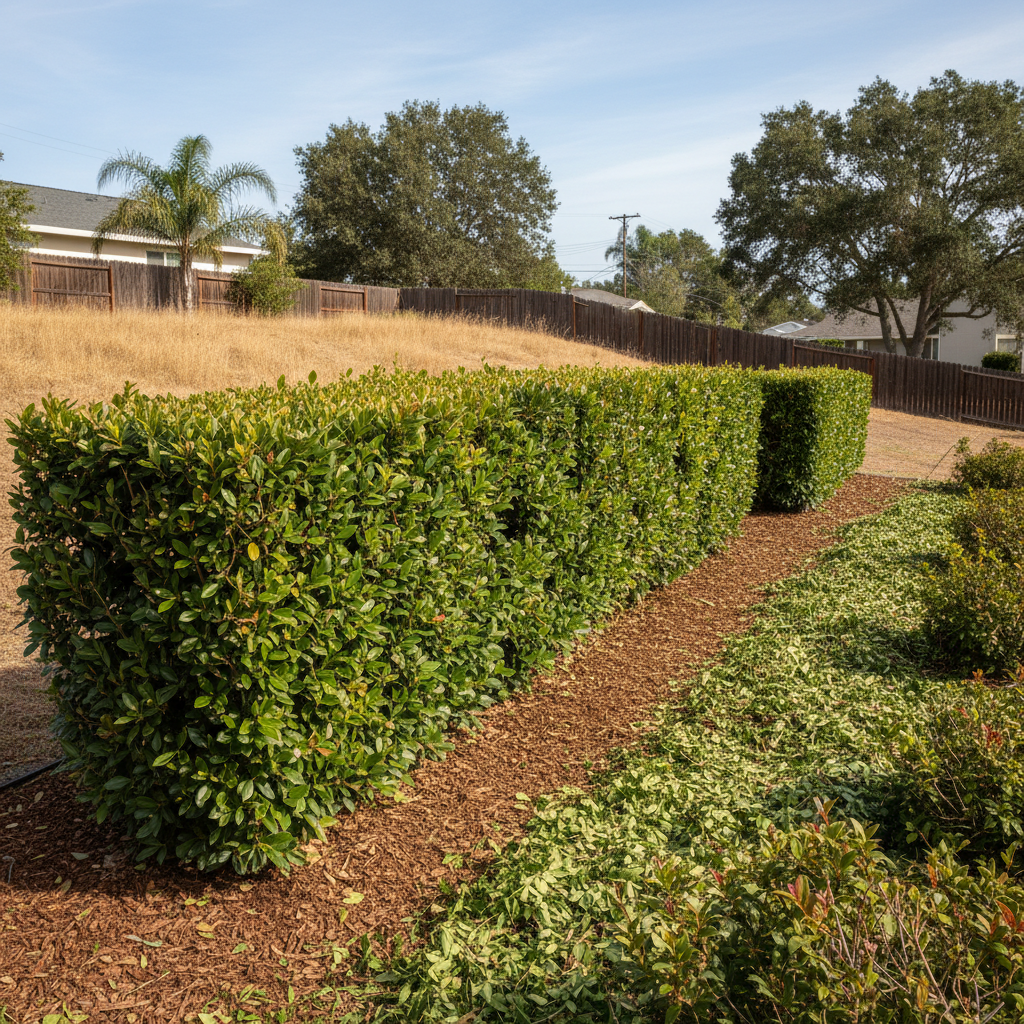
Do I really need to trim my shrubs? Can't I just let them grow?
Look, you *can* just let 'em grow. But you won't like what happens. Untrimmed shrubs get leggy, woody, and often unhealthy. They can block windows, crowd out other plants, and become a haven for pests. Think about those big, unruly oleanders you see sometimes – they're a mess. Trimming isn't just about making things look neat; it's about plant health, safety, and keeping your yard manageable. It encourages new growth, better flowering, and maintains the plant's natural shape. Plus, if you've got shrubs near your house, especially in areas like The Dunes, you don't want them rubbing against siding or blocking access.
When's the best time of year to trim my bushes here in Grover Beach?
This is probably the most common question I get, and the answer isn't a one-size-fits-all. Generally, for most deciduous shrubs (the ones that lose their leaves), the best time is late winter or early spring, right before new growth starts. They're dormant, so it's less stressful. For evergreen shrubs, you can often do light trimming any time, but avoid heavy pruning in late fall – new growth might not harden off before a cold snap, though we don't get many of those here. If it's a flowering shrub, you need to know when it blooms. If it blooms on old wood (like lilacs or hydrangeas), trim right after it finishes flowering. If it blooms on new wood (like roses or some spirea), trim in late winter/early spring. It's all about timing it so you don't cut off the flower buds.
What's the difference between 'pruning' and 'trimming'? Are they the same thing?
Good question. Most folks use 'em interchangeably, and for shrubs, it's often close enough. But technically, 'pruning' is more about the health and structure of the plant – removing dead, diseased, or crossing branches, shaping for air circulation, or reducing overall size. It's more strategic. 'Trimming' is usually about maintenance and aesthetics – keeping a hedge neat, shaping a topiary, or just tidying things up. Think of it this way: pruning is surgery, trimming is a haircut. Both are important, and often you're doing a bit of both when you're working on your shrubs.
My shrubs are huge and out of control. Can they be saved, or do I need to rip them out?
Don't give up hope just yet! Many overgrown shrubs can be revitalized through a process called 'rejuvenation pruning' or 'renewal pruning.' This involves cutting the plant back hard, sometimes almost to the ground, over one to three years. For some shrubs, you can cut all stems back to about 6-12 inches from the ground in late winter. For others, you might remove a third of the oldest, thickest stems each year for three years. It's a drastic measure, but it can stimulate vigorous new growth from the base. It takes patience, but it's often cheaper and better for the environment than digging them all out and starting over. We've brought back plenty of neglected shrubs in Grover Beach this way.
What tools do I need for basic shrub trimming?
You don't need a whole arsenal, but having the right tools makes a huge difference. For most homeowners, you'll want:
- Hand pruners (bypass type): For small branches, up to about 3/4 inch thick. These are your go-to for precision cuts.
- Loppers: For branches up to 1 1/2 to 2 inches. They have long handles for leverage.
- Hedge shears: For shaping hedges and getting a uniform look. Don't use these for thick, woody branches; they're for softer growth.
- Gloves: Protect your hands, especially from thorns or irritating sap.
- Safety glasses: Always. A twig in the eye is no fun.
Keep your tools clean and sharp. Dull tools tear and damage plants, which can invite disease. A little sharpening goes a long way.
How much should I trim off at once? Is there a 'rule'?
There's a general rule of thumb: never remove more than about one-third of the plant's total volume in a single year. Taking off too much at once can stress the plant, weaken it, and make it more susceptible to pests and diseases. It can also trigger a flush of weak, leggy growth. If you're doing a rejuvenation prune on an extremely overgrown shrub, that's a different story, but for regular maintenance, stick to the one-third rule. Think about the overall shape and health, not just how much you can lop off quickly.
My neighbor's shrubs are growing over my fence. Can I trim them?
Ah, the classic neighbor dispute. Legally, you generally have the right to trim any branches or roots that cross onto your property line. However, you can only trim up to the property line, and you can't do anything that would harm the neighbor's plant. If you kill their shrub by over-pruning, you could be liable. My advice? Talk to your neighbor first. A friendly conversation can solve a lot of problems before they become bigger headaches. If you can't agree, or if the job is too big, that's when you call in a professional like Classic Tree. We can often mediate or at least ensure the job is done correctly and safely for both parties.