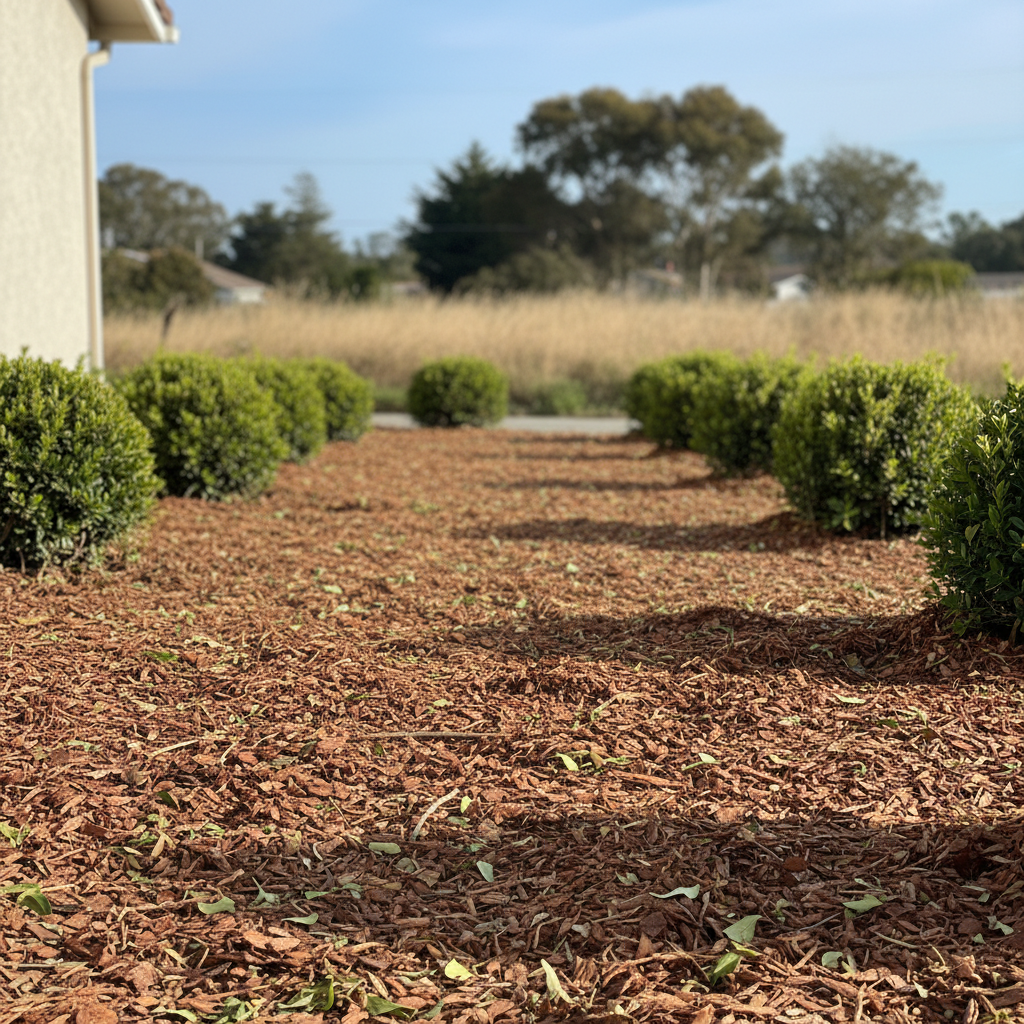
Alright, let's talk about your shrubs and bushes. Folks around Grover Beach often have a bunch of questions about how to keep these plants in shape. It's not just about making them look tidy; proper trimming keeps them healthy, strong, and can even prevent bigger problems down the line. I've been doing this for years, and I've heard it all. So, here are the most common questions I get asked, and my straight answers.
When's the best time to trim my shrubs and bushes?
This is probably the number one question, and the answer isn't a simple 'January' or 'July.' It really depends on the plant, you know? Generally, for most deciduous shrubs (the ones that lose their leaves in winter), the best time to prune is late winter or early spring while they're still dormant. Why then? Because you can see the plant's structure clearly without all the leaves, and it'll respond with a burst of new growth when spring hits. For flowering shrubs, it gets a bit more specific.
- Spring-flowering shrubs (like lilacs, azaleas, camellias): Prune these right after they finish flowering. If you prune them before, you'll just cut off all the flower buds for that year.
- Summer-flowering shrubs (like hydrangeas, roses, crape myrtles): You can prune these in late winter or early spring before new growth starts. They flower on new wood, so you're not sacrificing blooms.
- Evergreen shrubs: You can usually do light shaping any time, but for heavier pruning, late winter or early spring works best, or sometimes mid-summer after the first flush of growth.
The key is knowing what kind of plant you have. If you're not sure, don't guess. A quick search or a call to a local pro like us at Classic Tree can save you a lot of grief.
What's the difference between 'trimming,' 'pruning,' and 'shearing'?
Good question, because people use these terms interchangeably, but they're not quite the same. Think of it like this:
- Pruning: This is the most specific and strategic. It's about taking out dead, diseased, or damaged branches, improving the plant's structure, encouraging flowering or fruiting, and making it healthier overall. You're making intentional cuts to specific branches.
- Trimming: This is a more general term, often used for maintenance. It's about reducing the size, shaping the plant, or just keeping it neat. It can involve some pruning cuts, but it's often less precise.
- Shearing: This is what you do with hedge trimmers – cutting all the outer growth to a uniform shape, like a box or a ball. It's fast and makes things look tidy quickly, but it can actually hurt the plant's health if done too aggressively or without proper pruning underneath. It creates a dense outer layer of foliage that shades out the interior, leading to dead spots inside.
For most shrubs, you want a combination of pruning and light trimming. Shearing has its place for formal hedges, but even then, occasional selective pruning inside helps a lot.
How much should I actually cut off? Is there a 'rule'?
There's a general rule of thumb: try not to remove more than one-third of the plant's total foliage in a single season. This isn't a hard and fast law for every single plant, but it's a good guideline to prevent stressing the shrub. If you take off too much, the plant has to work really hard to recover, which can weaken it and make it more likely to get pests or disease.
Sometimes, a plant is so overgrown that it needs more than a third removed. That's when you consider a 'rejuvenation' or 'renewal' prune, which is a much more aggressive cut-back. But that's a whole different ballgame and usually best done by someone who knows what they're doing, as it can be risky for the plant if not done correctly.
Can I just use my hedge trimmer for everything?
You can, but you probably shouldn't for most shrubs. Hedge trimmers are fantastic for creating straight lines and uniform shapes, like a formal hedge along your property line. But for individual shrubs, especially those with a natural, open growth habit, using only hedge trimmers can lead to problems. It encourages a dense outer shell of leaves, while the inside becomes bare and woody. We call this 'lion's tailing' or 'meatballing' depending on the shape. It restricts air circulation, can lead to fungal issues, and makes the plant look unnatural and unhealthy over time.
For most shrubs, hand pruners and loppers are your best friends. They let you make precise cuts, removing specific branches, opening up the plant for light and air, and maintaining its natural form. Save the hedge trimmer for the hedges!
My bushes are totally overgrown. Can they be saved, or do I need to replace them?
Often, they can be saved! This is where a 'rejuvenation' or 'renewal' prune comes in. For many deciduous shrubs, you can cut them back hard – sometimes even to just a few inches from the ground – and they'll sprout new, vigorous growth. This works well for plants like hydrangeas, spiraea, and certain roses. For evergreen shrubs, it's a bit riskier, as some don't respond well to being cut back into old, woody stems.
It takes patience, as the plant will look pretty bare for a while, but it's often a great way to bring an old, leggy shrub back to life without the cost and effort of removal and replanting. If you're considering this, especially for a large or valuable plant, I'd definitely recommend having a professional assess it first. We can tell you if your specific plant is a good candidate and how best to approach it.
Will trimming help my shrubs flower more?
Absolutely, for many plants! Proper pruning can direct the plant's energy into producing more flowers and fruit, rather than just growing more leaves or woody stems. For example, deadheading (removing spent flowers) encourages many plants to produce more blooms throughout the season. For flowering shrubs, knowing when and how to prune can significantly impact the quantity and quality of your blossoms.
It's all about understanding the plant's natural growth cycle and how it sets its flower buds. A well-pruned shrub is a happy, productive shrub, and that usually means more flowers for you to enjoy. Plus, it improves air circulation, which helps prevent diseases that can affect flowering.
What about those sandy soils we have in Grover Beach? Does that affect my shrubs?
You bet it does. Our sandy soils here in Grover Beach are great for drainage, which many plants love, but they also don't hold onto nutrients or water as well as heavier soils. This means your shrubs might need a bit more attention when it comes to watering and fertilizing, especially after a heavy trim. When you cut a plant, it uses energy to heal those cuts and put out new growth. If it's already struggling for nutrients or moisture in our sandy conditions, a big trim can be an extra stressor.
So, after a significant trim, make sure your shrubs are getting enough water, especially during dry spells. A good layer of mulch can also help retain moisture and slowly release nutrients, giving your plants a better chance to bounce back strong. It's all part of the big picture of keeping your landscape healthy.
Look, keeping your shrubs and bushes in top shape isn't rocket science, but it does take a bit of know-how. If you've got questions about a specific plant, or if you've got a whole yard full of overgrown bushes you're not sure how to tackle, give us a call at Classic Tree. We're here to help you keep your Grover Beach property looking great and your plants thriving.