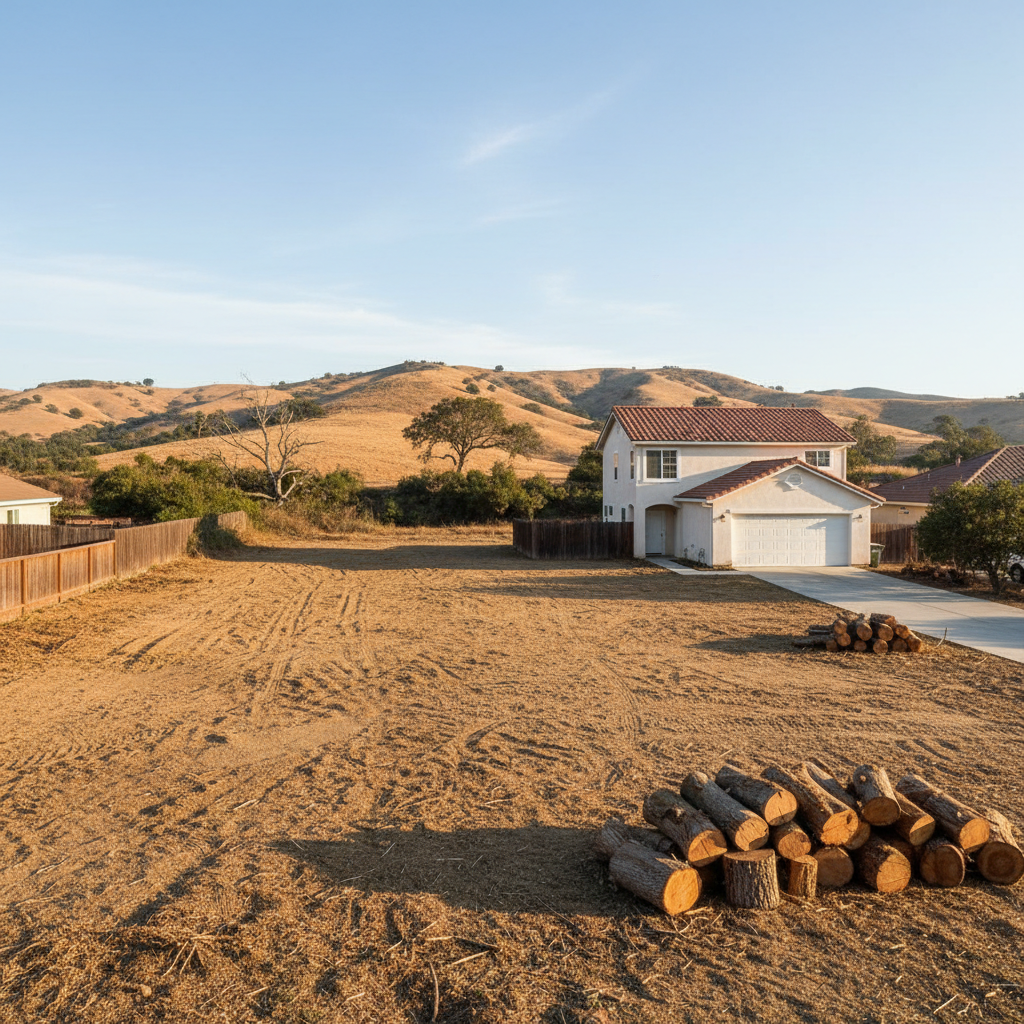
When's the Best Time to Clear Your Lot in Grover Beach?
You're looking at a piece of land, maybe it's overgrown, maybe you're planning a new project, and you're thinking, "When should I get this lot cleared?" It's a good question, and honestly, the answer isn't always straightforward. A lot of folks just call us up when they're ready, but knowing the best time can save you headaches and even some money.
For us here in Grover Beach, the sweet spot for lot clearing usually falls outside of the peak rainy season. That means late spring, summer, and early fall are generally ideal. Why? Dry ground. When the soil's not saturated, our equipment can move around a lot easier. We're talking less rutting, less chance of getting stuck, and a much cleaner job overall. Plus, the debris is drier, which makes hauling and disposal simpler. If you're thinking about burning (and you've got all your permits in order, which is a whole other conversation), dry material burns more efficiently and safely.
You want to avoid the winter months if you can help it. Not just because of rain, but sometimes the ground can get pretty soft, especially in those low-lying areas near the dunes or where water tends to collect. We've seen properties become a real muddy mess, and that just slows everything down.
How Does Grover Beach Weather Affect Lot Clearing Work?
Our local weather, while generally pretty mild, definitely plays a role. We don't get extreme heat like the Central Valley, but we do get our share of strong winds, especially in the spring and fall. High winds can be a real safety concern when we're dealing with tall trees or large brush piles. It makes felling trees trickier and can whip around debris, creating hazards for our crew and your property. If it's too windy, we might have to pause or reschedule, and nobody wants that.
Then there's the fog. We get those classic coastal fogs, especially in the mornings. While it usually burns off, dense fog can reduce visibility, which is another safety issue. We need to see clearly what we're cutting and where it's going. Rain, of course, is the big one. Working on wet, slippery ground with heavy machinery is dangerous. It's not just about the equipment getting stuck; it's about the safety of our crew. We're not going to risk an accident just to push through a job in unsafe conditions. We'd rather reschedule and do it right.
The coastal climate here also means we're dealing with specific types of vegetation. We've got a lot of native scrub, eucalyptus, and sometimes invasive species that thrive in our mild, moist air. Knowing how these plants behave in different weather helps us plan the best approach.
Protecting Your Investment Year-Round After Lot Clearing
So, you've invested in clearing your lot. Great! But that's not a one-and-done deal if you want to keep it clear and safe. Lot clearing is often about reducing fire risk, improving views, or preparing for construction. To protect that investment, you've got to think year-round.
First, consider what you want to grow back – or not grow back. If you're trying to prevent brush from returning, you might need a plan for ongoing maintenance. This could mean regular mowing, selective herbicide application (if you're into that), or planting ground cover that's less prone to becoming fuel for fires. We often recommend creating defensible space around any structures, and that means keeping vegetation trimmed back and removing dead material regularly.
Keep an eye out for regrowth. Those pesky weeds and fast-growing brush don't take long to pop back up, especially after a good rain. A little bit of effort every few months can prevent a small problem from turning into another major clearing job. Think about it like weeding your garden – stay on top of it, and it's manageable. Let it go, and you've got a jungle.
Also, don't forget about drainage. After clearing, the ground might behave differently when it rains. Make sure water isn't pooling where you don't want it to, especially if you're near a slope or have sandy soil. Erosion can become an issue if you've removed a lot of stabilizing vegetation.
Finally, if you've got any remaining trees, make sure they're healthy. Just because a lot is cleared doesn't mean all tree-related risks are gone. Dead branches, weak limbs, or diseased trees can still pose a threat. A periodic check-up from a professional like us at Classic Tree can help you catch potential problems before they become big, expensive headaches. We're always happy to come out and give you an honest assessment.
Keeping your lot clear and safe is an ongoing process, but with a little planning and regular attention, you can maintain that clear space you worked hard for.