Alright, let's talk about pruning your trees. It's a job that a lot of homeowners think they can just jump into, and sometimes, you absolutely can. Other times, you're asking for trouble, or worse, you're hurting your tree. I see it all the time around here, especially with folks trying to 'shape up' an older eucalyptus or a big Monterey cypress that's been growing wild for years.
The big question always is: what can I do myself, and when do I need to call someone like us at Classic Tree?
Before You Even Grab the Pruners
First off, know your tree. Seriously. Is it young and small, or is it a mature specimen that's been through a few decades of Grover Beach winds? Young trees are generally more forgiving. You're mostly looking to guide their growth, remove suckers, or take out small, crossing branches. For these, a good pair of hand pruners or loppers will get you pretty far.
Next, think about the 'why.' Why are you pruning? Are you removing dead wood? Trying to improve air circulation? Getting branches off your roof? Or are you just trying to make it look 'neater'? The 'why' dictates the 'how' and 'what.'
Here's a quick rule of thumb: If you can do the work safely from the ground or a small, stable step ladder, and the branches are no thicker than your thumb, you're probably in the DIY zone. Anything bigger, or requiring you to get up on a tall ladder or climb the tree, and you should be thinking about a pro.
What You Can (and Should) Do Yourself
For smaller trees and shrubs, or just general maintenance on larger trees, here’s what you can usually handle:
- Dead or Diseased Branches: If a branch is clearly dead (no leaves, brittle, or discolored) or shows signs of disease, get rid of it. Cut back to healthy wood. This is super important for the tree's health and to prevent disease spread.
- Suckers and Water Sprouts: These are those fast-growing, vertical shoots that pop up from the base of the tree or along branches. They're usually weak and don't contribute much to the tree's structure. Snip 'em off.
- Crossing or Rubbing Branches: When two branches rub together, they create wounds that can be entry points for pests and diseases. Pick the weaker or less ideally placed branch and remove it.
- Low-Hanging Branches: If a branch is blocking a walkway, hitting your head, or scraping against your house, and it's small enough to reach safely, go for it. Just make sure you're not taking off too much at once.
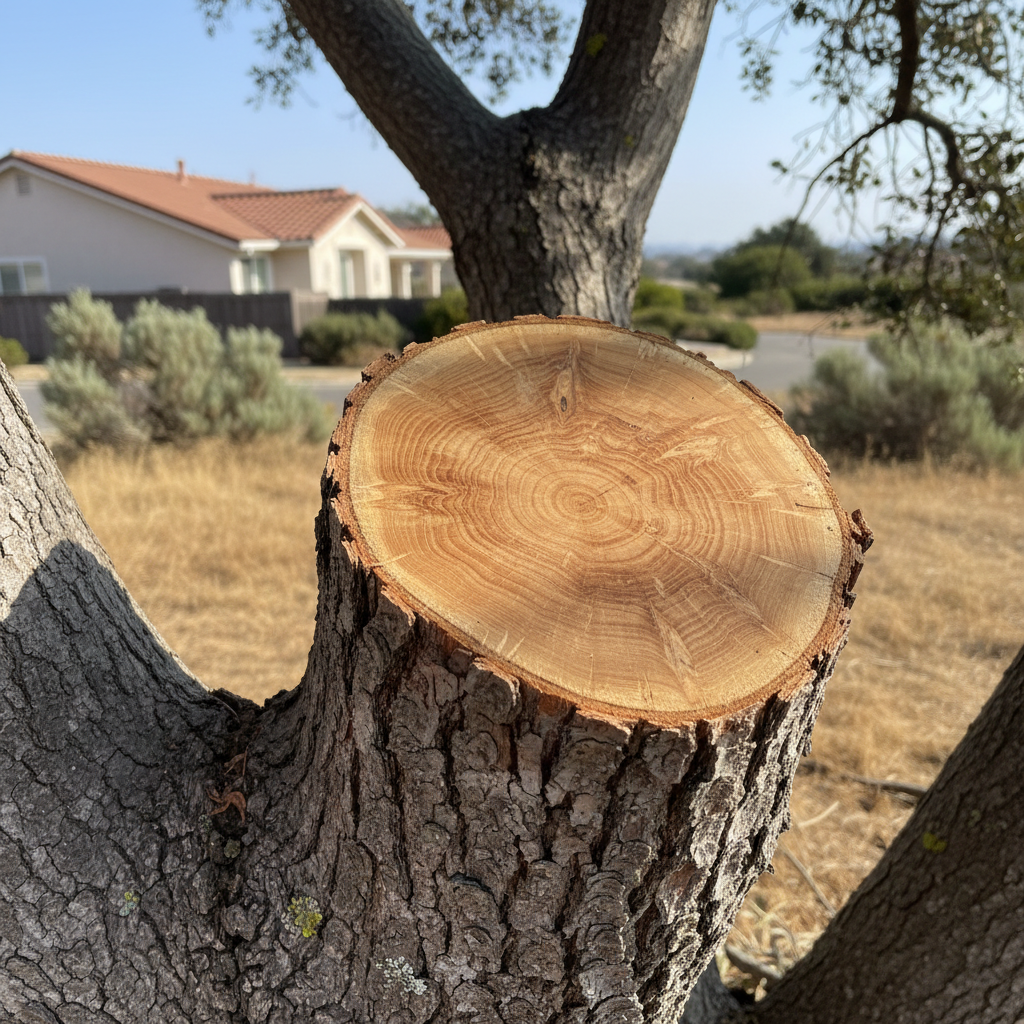
Always use sharp, clean tools. Dull tools tear the wood, which is bad for the tree. And always make clean cuts just outside the branch collar – that slightly swollen area where the branch meets the trunk or a larger branch. Don't cut flush with the trunk; that creates a bigger wound that's harder for the tree to heal.
When to Call a Professional
This is where a lot of homeowners get into trouble. You might think you're saving a buck, but a bad pruning job can cost you a lot more in the long run, either in tree health or property damage. Here's when you absolutely need to call in the experts:
- Large Branches: If a branch is thicker than, say, 2-3 inches in diameter, or if it's heavy and requires a chainsaw, leave it to us. Big branches need specific cutting techniques (like a three-cut method) to prevent bark tearing and ensure safety.
- Height and Access: If you need to climb a tall ladder, get on your roof, or use a pole saw while standing on something unstable, that's a no-go. Falls from ladders are no joke. Plus, working with chainsaws overhead is incredibly dangerous.
- Proximity to Power Lines: This is non-negotiable. If any part of the tree is near power lines, even if it's just a small branch, call the utility company first, then a professional arborist. Electrocution is a real risk.
- Major Structural Pruning: If you're looking to significantly reduce the size of a mature tree, thin out a dense canopy, or address structural issues, you need someone who understands tree biology and proper pruning techniques. Hacking off the top of a tree (topping) is one of the worst things you can do; it leads to weak, rapid regrowth and often shortens the tree's life. We see a lot of older homes in the Sandalwood neighborhood with mature trees that have been improperly topped over the years, and it's a real shame.
- Storm Damage: After a good winter storm rolls through, you might have broken or hanging branches. These are often under tension and can be extremely dangerous to remove.
- Trees with Health Concerns: If your tree looks sick, has unusual growths, or you're not sure what's going on, an arborist can diagnose the problem and recommend the right course of action.
After the Pruning
Once the cuts are made, whether by you or a pro, just leave the tree alone. Don't put any wound paint or tar on the cuts; trees heal better naturally. Keep an eye on the tree over the next few weeks and months. Look for signs of stress, new growth, or any issues that might pop up.
Pruning is an art and a science. For the small stuff, you can absolutely keep your trees looking good and healthy. For anything beyond that, don't hesitate to call a local pro like Classic Tree. We're here to help keep your Grover Beach trees strong and beautiful, safely.