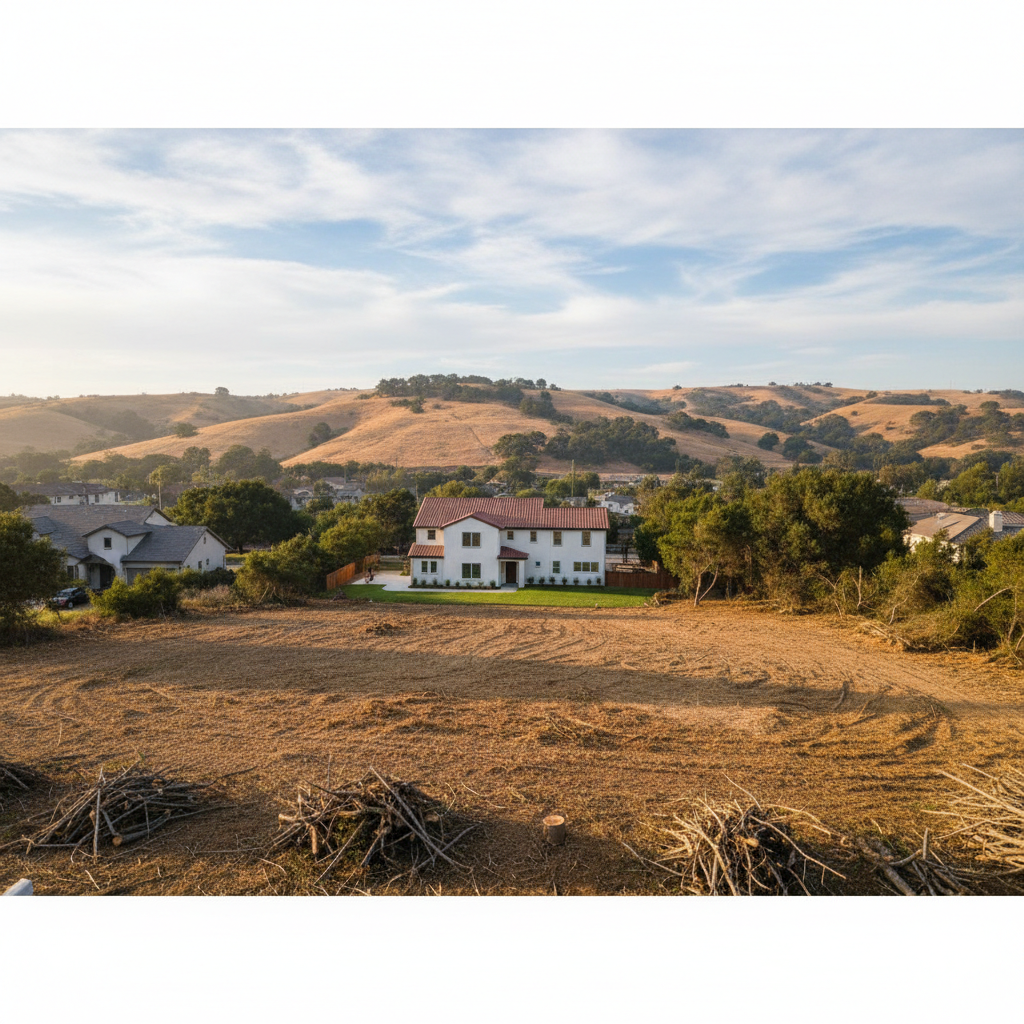
So, you've got a piece of land in Grover Beach and you're thinking about clearing it. Maybe you're building a new home, adding an ADU, or just reclaiming some overgrown space. Whatever the reason, land clearing isn't just about knocking down a few trees. It's a whole project, and if you don't plan it right, you'll run into headaches and extra costs. I've seen it happen more times than I can count.
Timeline: How Long Does This Really Take?
Let's talk timelines first, because this is where a lot of people get it wrong. You can't just call someone up on Monday and expect your lot to be clear by Friday. Especially not here on the Central Coast where permits and environmental considerations are a big deal.
First off, you'll need to figure out what permits you need. This could be anything from a simple tree removal permit from the city to more complex grading permits if you're moving a lot of dirt. If your property backs up to the dunes or a creek, or has any sensitive habitat, you're looking at even more hoops to jump through. Sometimes, just getting the permits can take weeks, or even months, depending on the scope and what agencies are involved. Don't underestimate this step. A good contractor will help you navigate this, but you, the homeowner, are ultimately responsible for making sure everything's above board.
Once permits are squared away, the actual clearing work itself can take anywhere from a few days for a small, lightly wooded lot to several weeks for a large, heavily overgrown parcel. It depends on the size of the land, the density of vegetation, the type of equipment needed, and how much debris has to be hauled away. If you're dealing with a lot of old growth or dense chaparral, it's going to take longer. Always add a buffer to whatever timeline you're given; weather, equipment breakdowns, or unexpected discoveries (like old foundations or buried pipes) can always cause delays.
What to Expect During the Process
When the crew shows up, it's going to look like a construction site. There'll be heavy machinery – excavators, skid steers, chippers, dump trucks. It's noisy, dusty, and busy. You'll see trees coming down, brush being mulched, and stumps being ground out or removed. Depending on the size of your property and the amount of material, they might set up a staging area for debris before it's hauled off.
Communication is key here. Your contractor should be giving you regular updates. You'll want to know what they're doing each day and if they're running into any issues. Don't be afraid to ask questions if something doesn't look right or if you're unsure about a step in the process. We're there to do a job, but it's your property.
After the main clearing, there's usually a cleanup phase. This involves raking, grading the land to your specifications (if that's part of the plan), and making sure all debris is removed. We're talking about leaving you with a clean, workable space, not just a mess of stumps and branches.
How to Prepare Your Property
Before any heavy equipment rolls onto your land, you've got some homework to do. First, mark out clearly what you want cleared and what you want to keep. Use brightly colored tape or spray paint. Don't assume the crew will just know. If there are specific trees you want to save, make sure they're highly visible and explicitly discussed with your contractor.
Second, remove anything valuable or fragile from the work area. This includes garden ornaments, outdoor furniture, children's toys, and anything else that could get damaged by falling debris or heavy machinery. Make sure all utilities (water, gas, electric, septic) are clearly marked, especially if you're digging. Call 811 before any digging starts – it's the law and it could save you a lot of grief (and money) if you hit a line.
Third, think about access. Can large trucks and equipment get to your property easily? Are there any low-hanging power lines or narrow gates that could be an issue? If your property is on a steep incline, like some of the lots up near the Mesa, that's a whole different ballgame for equipment access and safety. Let your contractor know about any potential access challenges upfront.
Questions to Ask Before You Sign That Contract
Before you commit to anyone, you need to ask the right questions. This isn't just about getting the cheapest bid; it's about getting the job done right and safely.
- Are you licensed and insured? This is non-negotiable. Ask for proof of both. A reputable company like Classic Tree will have no problem showing you their credentials. You don't want to be liable if someone gets hurt or something goes wrong.
- What permits do I need, and who is responsible for obtaining them? Clarify this upfront. While the contractor can guide you, the homeowner often needs to apply for some permits directly.
- What's included in the bid? Does it cover tree removal, stump grinding, brush clearing, debris hauling, and final grading? Are there any hidden costs? Get everything in writing.
- How will you dispose of the debris? Will it be chipped on site, hauled away, or both? Are they recycling any of the material?
- What's your plan for protecting areas I want to keep? How will they prevent damage to existing structures, landscaping, or trees that aren't being removed?
- What's your estimated timeline, and what factors could cause delays? Get a realistic expectation.
- Can you provide references? Talk to previous clients. See their work if possible.
Land clearing is a big undertaking, but with proper planning and the right team, it can go smoothly. Don't rush it, do your homework, and ask plenty of questions. You'll be glad you did when you're looking at a clean, ready-to-use piece of land.